Bathroom Renovation Design Questions
A practical step-by-step guide to bathroom renovation design questions, including preparation, instructions, common issues, tips, and next steps.
Bathroom Renovation Design Questions
This guide explains how to approach bathroom renovation design questions, including the preparation, practical steps, common mistakes, and final checks that help you finish with confidence.
Before You Start
Step-by-Step Instructions
Quick Reference
Common Problems When You Bathroom Renovation Design Questions
Even with careful planning, some common pitfalls can arise during a bathroom renovation. Being aware of these challenges can help you avoid them or address them quickly.
- Forgetting the Budget Contingency: One of the most frequent issues is underestimating costs or failing to set aside extra funds for unexpected problems. When older bathrooms are stripped out, you might discover hidden damp, rotten floorboards, or outdated wiring.
- Ignoring Existing Plumbing and Electrical Layouts: While it's tempting to move everything around, changing the location of waste pipes, in particular, can be very expensive and complex. Not considering these constraints early can lead to major budget overruns or a compromise on your ideal design.
- Unrealistic Expectations: Sometimes, inspiration from magazines doesn't quite fit the reality of your specific bathroom size or shape. Trying to squeeze too many features into a small space can make it feel cramped rather than luxurious.
- Not Planning Enough Storage: A common regret is not including enough practical storage. This leads to toiletries and towels cluttering surfaces, making the newly renovated bathroom look messy quickly.
- Poor Lighting and Ventilation: Overlooking the importance of adequate lighting and a powerful extractor fan can lead to a dim, unwelcoming bathroom and, worse, problems with mould and damp, undoing your renovation efforts.
- Choosing Style Over Practicality: Opting for highly fashionable but impractical materials (e.g., delicate tiles in a busy family bathroom) can lead to early wear and tear, making cleaning a nightmare, or requiring more maintenance than you anticipated.
Advanced Tips for Bathroom Renovation Design Questions
For those looking to take their bathroom renovation to the next level, consider these advanced tips:
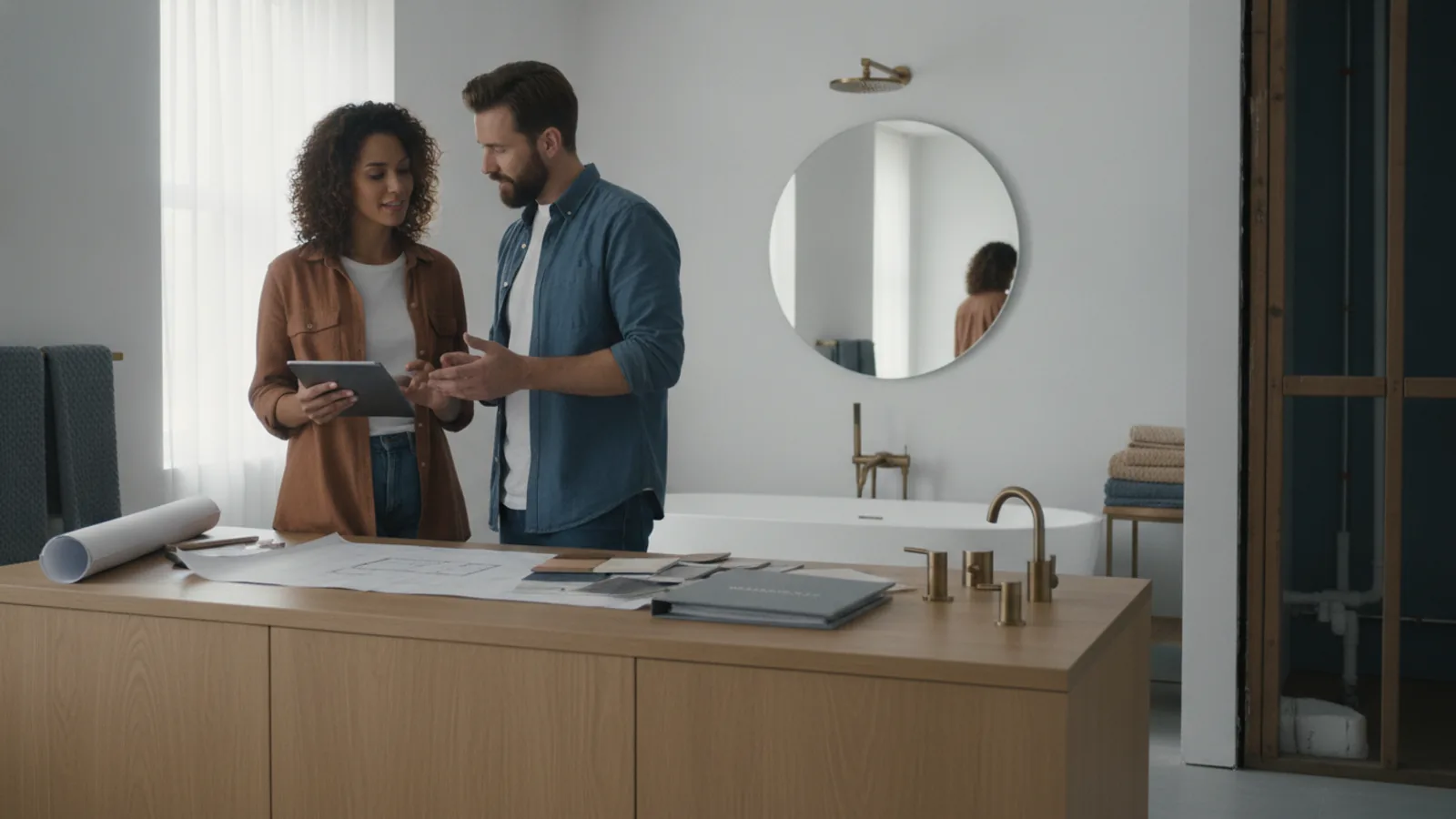
- Consult Professionals Early: Before solidifying your plans, bring in a designer, architect, or experienced builder. They can offer insights into structural possibilities, help with complex layouts, and often have access to better trade discounts. Their expertise can save you money and stress in the long run by identifying potential issues before they become problems.
- Create 3D Renders or Floor Plans: Many design software programs (some are free online) or professional designers can create 3D visualisations of your proposed bathroom. This allows you to "see" the space before any work begins, helping you to refine the layout, material choices, and overall feel. It's a powerful tool for visualising bathroom renovation design questions.
- Embrace Smart Home Integration: Modern bathrooms can incorporate smart technology. This could include smart mirrors with built-in lighting and defoggers, voice-activated showers for temperature control, or automated lighting systems that adjust based on motion or time of day. Consider heated towel rails that can be programmed via an app.
- Think About Eco-Friendly Choices: Incorporate sustainable elements such as low-flow toilets and showerheads to conserve water, energy-efficient LED lighting, and locally sourced or recycled materials. Good insulation and ventilation also contribute to energy saving and a healthier home.
- Consider Underfloor Heating: While an added expense, underfloor heating provides luxurious warmth, especially on cold mornings. It also eliminates the need for a traditional radiator, freeing up wall space and contributing to a minimalist aesthetic. Electric underfloor heating is easier to install during a renovation than a wet system.
- Plan for Accessibility Beyond Current Needs: Even if accessibility isn't a current concern, discreetly designing for potential future needs (e.g., reinforcing walls for grab rails, ensuring wider door frames, non-slip flooring) can future-proof your home and enhance resale value for a wider demographic.
Bathroom Renovation Design Questions FAQ
Here are answers to some frequently asked questions about bathroom renovation design questions:
How much does a typical bathroom renovation cost in GB?
The cost of a bathroom renovation in GB varies widely depending on the size of the bathroom, the quality of materials, the extent of the work (e.g., cosmetic update vs. full layout change), and where you live. As a rough guide, a basic renovation might start from around £4,000-£6,000, while a mid-range project could be £7,000-£15,000, and a luxury bathroom could easily exceed £20,000. It's crucial to get multiple quotes from local tradespeople and factor in design fees and a contingency fund.
How long does a bathroom renovation usually take?
Again, this depends on the scope. A simple cosmetic refresh might take a few days to a week. A full strip-out and refit of a standard bathroom, assuming no major structural or plumbing changes, typically takes between 1-3 weeks. If you're moving walls, reconfiguring plumbing extensively, or experiencing unexpected issues, it could extend to 4 weeks or more. Always ask your contractor for a realistic timeline before starting.
Should I hire a professional designer or manage the project myself?
Hiring a professional bathroom designer can be invaluable, especially for complex layouts, small spaces, or if you struggle with visualising ideas. They can offer creative solutions, help source materials, and ensure a cohesive look. For simpler renovations, or if you have a clear vision and are comfortable coordinating trades, managing it yourself can save money. However, project managing requires significant time and organisational skills. For effective bathroom renovation design questions, a designer can often help streamline the process.
What's the best way to choose durable and easy-to-clean materials?
For durability, porcelain tiles are an excellent choice for floors and walls due to their low porosity and strength. For ease of cleaning, choose large format tiles to minimise grout lines, or consider grout that is stain-resistant. Wall panels can also be a good, low-maintenance alternative to tiles in shower areas. Opt for wall-hung toilets and vanity units to make floor cleaning easier, and consider finishes like chrome or brushed nickel for taps that are less prone to showing water spots than polished brass.
How can I make a small bathroom feel larger?
To make a small bathroom feel more spacious, incorporate large mirrors to reflect light and create depth. Use light colours for walls and tiles, and ensure good lighting. Opt for wall-hung fixtures like toilets and basins to free up floor space, giving the illusion of more room. A wet room or a shower with a clear glass screen instead of a bulky enclosure can also help. Recessed storage and vertical shelving draw the eye upwards and keep clutter off surfaces, which are all key considerations for bathroom renovation design questions in compact spaces.
Final Checklist for Bathroom Renovation Design Questions
Before you commit to your renovation plans, run through this final checklist to ensure you've considered all the critical bathroom renovation design questions:
- Have I clearly defined my "why" for this renovation?
- Is my budget realistic, and does it include a contingency fund?
- Have I accurately measured my space and noted existing plumbing/electrical points?
- Have I considered the needs of everyone who will use the bathroom, now and in the future?
- Do I have a clear vision for the style and aesthetic of the new bathroom?
- Is the planned layout functional and safe, with enough clearance around fixtures?
- Are my chosen materials durable, water-resistant, and easy to clean?
- Is there adequate lighting (ambient, task, accent) and effective ventilation planned?
- Have I included sufficient and smart storage solutions for all my items?
- Have I considered future-proofing and the impact on resale value?
- Have I sought advice or quotes from qualified professionals where needed?
- Have I checked if any planning permission or building regulations apply to my changes?