Home Extension Materials Guide
A practical step-by-step guide to home extension materials guide, including preparation, instructions, common issues, tips, and next steps.
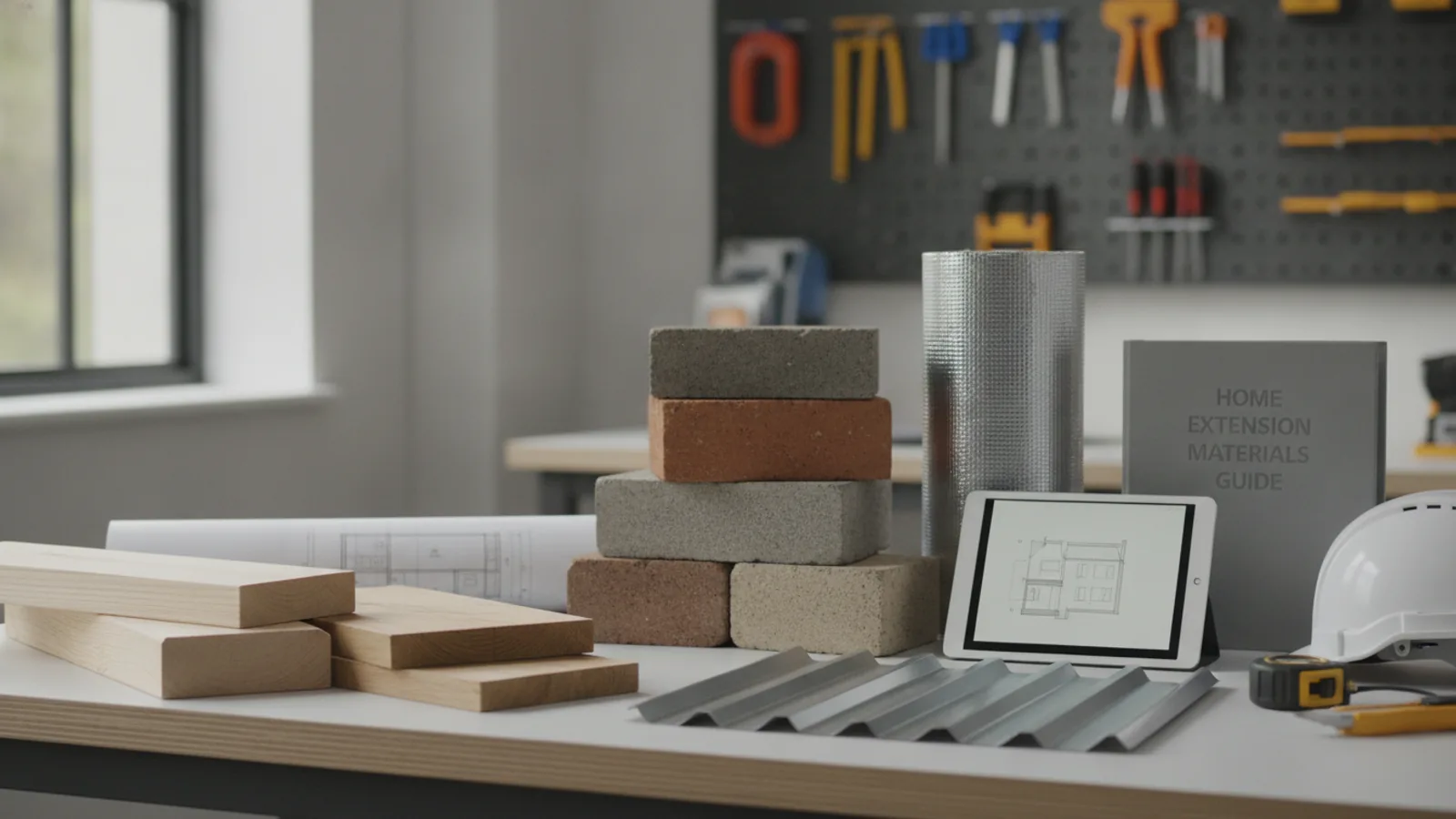
Home Extension Materials Guide
This guide explains how to approach home extension materials guide, including the preparation, practical steps, common mistakes, and final checks that help you finish with confidence.
Before You Start
Step-by-Step Instructions
Quick Reference
Common Problems When You Choose Home Extension Materials
Choosing materials for your home extension can sometimes lead to unexpected issues. Knowing these common problems in advance can help you avoid them and ensure a smoother build process.
One frequent problem is **cost overruns**. It's easy to underestimate the price of materials, especially if you fall in love with premium options. To avoid this, always get detailed quotes for all materials and add a 10-15% contingency fund to your budget for unexpected costs. Comparing prices from different suppliers can also help you find better deals without compromising quality.
Another issue is **material compatibility and availability**. Sometimes, a preferred material might not work well with another (e.g., certain renders on specific types of blockwork) or might have long lead times. Always check with your builder or architect that your chosen materials are compatible and available within your project timeline. Ordering special items too late can cause significant delays to the entire build.
**Not meeting building regulations** is a serious problem. If your chosen materials or construction methods don't meet the required insulation values, fire safety standards, or structural integrity, your project could be delayed or even rejected by building control. Ensure your architect and builder are fully aware of and design to all current regulations. Always get your plans approved before work begins.
Finally, **aesthetic mismatch** can be a big disappointment. If the new extension's materials don't blend well with your existing home, it can look disjointed. This is particularly true for brickwork or render colours. Get samples and view them in different lights against your existing property to make sure they achieve the look you desire, whether that's a seamless blend or a deliberate contrast.
Advanced Tips for Home Extension Materials Guide
Once you've grasped the basics, consider these advanced tips to optimise your material choices for an even better home extension.
Embrace Sustainable Materials: Look beyond conventional choices. Consider materials with low embodied energy (the energy used to produce and transport them), recycled content, or those sourced from sustainable origins. Examples include reclaimed timber, sheep's wool insulation, recycled glass worktops, or locally sourced stone. While sometimes pricier upfront, they can offer long-term environmental benefits and unique aesthetics. Research suppliers known for their sustainable practices.
Optimise for Passive House Standards: Even if you're not aiming for full Passive House certification, adopting some of its principles can drastically improve your extension's energy performance. This involves selecting materials for extremely high levels of insulation (thicker PIR boards, advanced cavity fill), using triple-glazed windows and doors, and ensuring airtight construction with high-performance vapour control layers. This reduces heating demand almost entirely, saving significant running costs over time.
Integrate Smart Technology Infrastructure: While not a material choice directly, plan for future smart home integration during the material selection phase. This means thinking about conduits for cabling within wall and floor structures for smart lighting, automated blinds, or advanced heating controls. Choosing wall materials that allow for easy routing of these services can save extensive rework later.
Consider Lifetime Costing (Life Cycle Costing): Instead of just looking at the initial purchase price, think about the total cost of a material over its lifespan. A more expensive, durable material like natural slate for a roof might have a higher upfront cost than felt, but it will last much longer and require less maintenance, making it cheaper in the long run. Factor in maintenance, repair, and replacement costs when comparing options.
Plan for Thermal Bridging: A common issue where heat can escape through junctions in the building fabric (e.g., where a wall meets a window frame). Advanced material selection involves choosing components and detailing junctions to minimise these "cold spots." Your structural engineer or architect should specify thermal breaks in critical areas, often involving specialist insulation blocks or spacers, to maintain a continuous insulation envelope.
Explore Off-Site Manufacturing (OSM) Components: Beyond timber frames, consider other pre-fabricated elements like structural insulated panels (SIPs) for walls and roofs, or even pre-assembled bathroom pods. These components are factory-made to precise specifications, reducing on-site construction time, waste, and improving quality control. This can be an efficient way to build, especially for modern, simpler extension designs.
Home Extension Materials Guide FAQ
Here are some frequently asked questions about choosing materials for a home extension.
Q: How do I know if materials meet building regulations?
A: Your architect or builder is responsible for ensuring that all materials specified and used comply with current building regulations in the UK. They will typically provide product specifications and U-values (a measure of heat loss) for insulation, windows, and doors to your local building control body for approval. Always ask for these documents and ensure your builder has a good understanding of the latest regulations. If in doubt, consult directly with your local building control department.
Q: Is it cheaper to match my existing house materials or choose something different?
A: Matching existing materials, especially bricks or tiles, can sometimes be more expensive if they are old or unusual and require sourcing specific reclaimed items. However, a contrasting material can also be costly if it's a premium product like specific types of cladding or large-format glazing. Generally, using readily available, standard materials like common brick or render tends to be more budget-friendly. The most cost-effective approach is often to choose materials that are widely manufactured and easily installed.
Q: What's the best material for insulation?
A: There isn't a single "best" material, as the choice depends on where it's being used (walls, roof, floor) and available space. However, **PIR (Polyisocyanurate) boards** offer excellent thermal performance for their thickness, making them ideal when space is limited. **Mineral wool (glass or rock wool)** is very common and effective for cavity walls and loft insulation. For walls with large cavities or timber frames, specialist blown-in insulations or full-fill slabs are also highly effective. The key is to achieve the required U-value for your specific building element.
Q: How important is maintenance when choosing materials?
A: Maintenance is very important for the long-term enjoyment and cost of your extension. Materials like uPVC windows, modern renders, and EPDM flat roofs are generally very low maintenance. Timber windows and cladding, while beautiful, will require regular painting or treatment to prevent weather damage and rot. Consider how much time and money you are willing to invest in upkeep over the years when making your choices. Low-maintenance options can save significant time and money in the long run.
Q: Can I use different materials on the exterior than my existing house?
A: Yes, absolutely! Many homeowners choose to use contrasting materials to give their extension a distinct, modern look that stands apart from the original house. This can be very effective aesthetically. However, you must still ensure that your chosen materials are approved by your local planning authority, especially in conservation areas or for listed buildings, where material choices might be restricted. Always check planning permission requirements before committing to a contrasting design.
Final Checklist for Home Extension Materials Guide
Use this checklist to ensure you've considered all key aspects when selecting materials for your home extension.
- Planning Permission Secured: All designs and material choices meet local council planning requirements.
- Building Regulations Compliance: Materials (especially for insulation, windows, and structural elements) meet or exceed current UK building control standards.
- Budget Allocated: Material costs are within your overall project budget, with a contingency fund.
- Structural Engineer Approval: Foundation materials and design are approved by a qualified structural engineer.
- Aesthetic Cohesion: Exterior materials either seamlessly match the existing home or create a desirable, approved contrast.
- Durability Considered: Materials are selected for their longevity and resistance to weather and wear.
- Maintenance Requirements Understood: You are aware of and prepared for the long-term upkeep of chosen materials.
- Thermal Performance Prioritised: Insulation, windows, and doors are chosen for optimal energy efficiency (low U-values).
- Supplier Lead Times Checked: All selected materials can be delivered within your project timeline to avoid delays.
- Waste Management Plan: Consideration given to how construction waste from materials will be managed and recycled.
- Warranty Information: Understand the warranties and guarantees offered on key materials like windows, doors, and roofing.