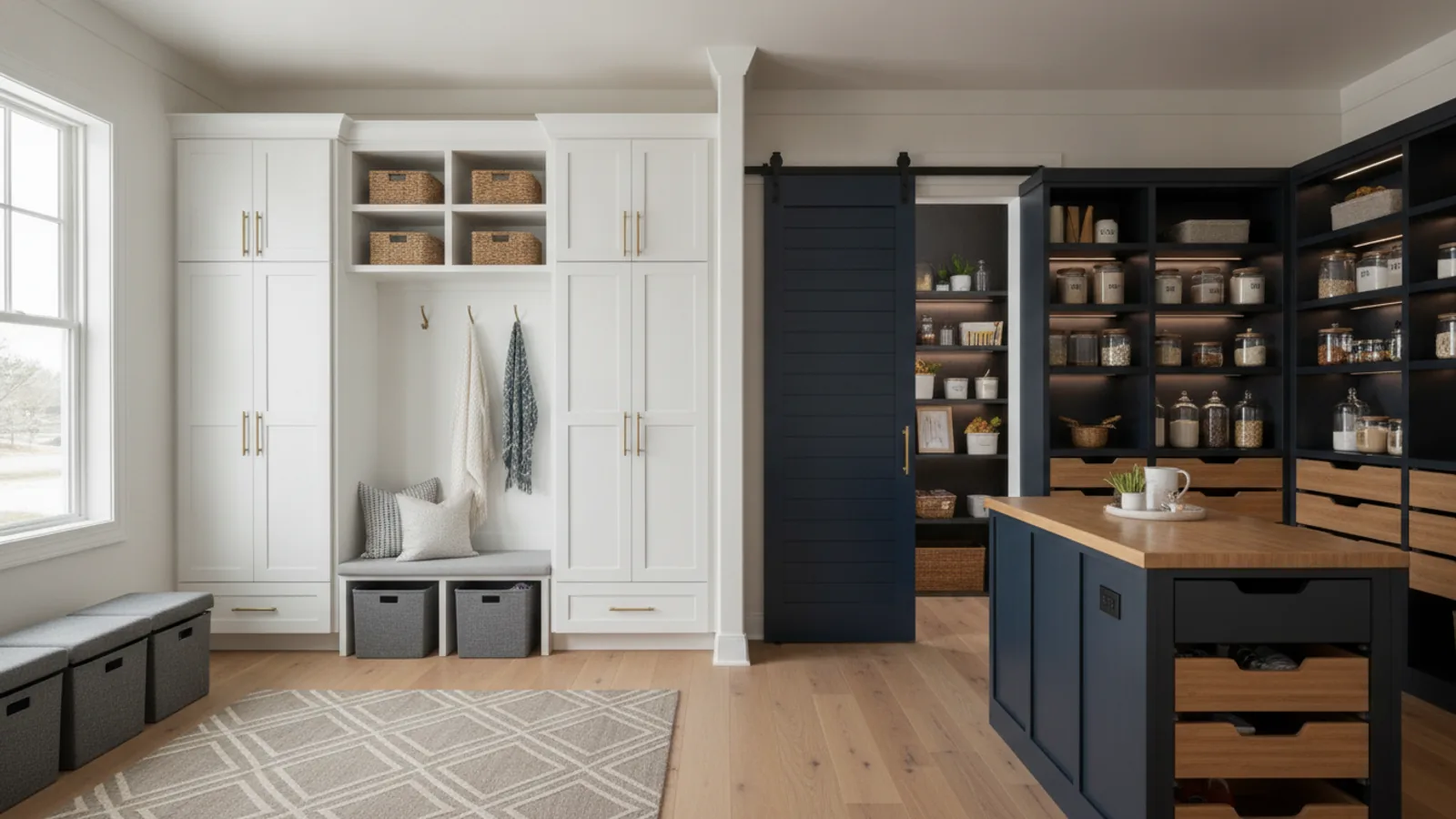
New Build Home Budget Checklist
A practical step-by-step guide to new build home budget checklist, including preparation, instructions, common issues, tips, and next steps.

New Build Home Budget Checklist
This guide explains how to approach new build home budget checklist, including the preparation, practical steps, common mistakes, and final checks that help you finish with confidence.
Before You Start
Step-by-Step Instructions
Quick Reference
Common Problems When You Plan Your New Build Home Budget
Planning a budget for a new build home can be tricky, and it's easy to overlook certain costs. Here are some common problems and how to fix them:
Many first-time buyers are surprised by how much it costs to make a new build feel like home. Carpets, curtains, light fittings, and garden landscaping are often not included and can add thousands to your initial outlay.
Fix: Include a separate section in your new build home budget checklist specifically for these items. Get quotes for flooring and blinds/curtains early, and factor them into your overall budget. Prioritise essential items first.
While ongoing utility bills are expected, people often forget about the initial setup fees or the fact that council tax often starts from the completion date, even if you don't move in for a few days.
Fix: Research the council tax band for similar properties in the area (or ask the developer/agent) and include at least one month's payment in your initial budget. Call utility providers well in advance to understand their connection fees and estimated first bills.
Many new build developments have communal areas, roads, or facilities that are managed by a third party. This often comes with an annual service charge or estate management fee, similar to ground rent or service charges for flats.
Fix: Ask the developer or your solicitor about any ongoing service charges, what they cover, and how often they are paid. Ensure these are clearly detailed in your property information and budget for them. These can typically range from a few hundred pounds to over a thousand annually.
While your mortgage lender will conduct a valuation, this is for their benefit, not yours. It checks if the property is worth what they are lending. It's not a detailed survey of the property's condition.
Fix: Although new builds come with warranties (like the 10-year NHBC Buildmark), consider an independent survey (e.g., a RICS HomeBuyer Report or a Building Survey). This can identify potential issues beyond minor snags, giving you peace of mind or leverage to ask the developer for fixes before completion. This typically costs £400-£1,000+.
Advanced Tips for Your New Build Home Budget Checklist
Once you have the basics covered, these advanced tips can help you save money or make smarter decisions:
- Negotiate Harder: Developers often have incentives they can offer, especially towards the end of a financial quarter or if a house has been on the market for a while. Don't just accept the asking price. Negotiate for stamp duty contributions, legal fee contributions, white goods packages, upgraded flooring, or even a direct discount.
- Utilise a Mortgage Broker: A good mortgage broker can access a wider range of deals than you might find directly, including exclusive rates. They can also help navigate complex applications and advise on the most cost-effective mortgage product, saving you money on interest and fees over the long term. Their service fees can often be offset by the savings they secure.
- Energy Efficiency Upgrades: New builds are generally more energy-efficient than older homes, but you can still make smart choices. Ask about EPC (Energy Performance Certificate) ratings and any optional upgrades like improved insulation, solar panels, or smart home heating systems. Investing a little more upfront can lead to significant savings on energy bills down the line.
- Plan for Council Tax Bands: New build properties are assigned a council tax band by the Valuation Office Agency (VOA) after completion. While you can't control this, you can research the bands of similar new builds in the area to get a more accurate estimation for your budget.
- Understand the Developer's Warranty: New build homes typically come with a 10-year warranty (e.g., NHBC Buildmark, LABC Warranty). Understand what the warranty covers in the first two years (developer responsibility for most defects) and for years 3-10 (structural issues). This influences what you might need to budget for future repairs.
- Independent Snagging Report: While mentioned as a "fix" for common problems, treating an independent snagging survey as a planned budget item is an advanced strategy. It provides a professional report that can highlight issues you might miss, giving you a strong position to ensure the developer rectifies everything before you complete, saving potential future hassle and costs.
New Build Home Budget Checklist FAQ
Here are answers to some common questions about budgeting for a new build home:
What is 'snagging' and do I really need a snagging inspector?
Snagging refers to minor defects or unfinished items in a new build property. These can range from paint imperfections and uneven plaster to faulty doors or windows. While the developer is obligated to fix these under your warranty, an independent snagging inspector will meticulously check every detail and provide a comprehensive report. While not mandatory, hiring an inspector (typically £300-£600) is highly recommended for peace of mind and to ensure all issues are identified and addressed professionally before you move in or soon after.
Do I need to budget for contents insurance before I move in?
Yes, it's wise to have contents insurance in place from the day you get the keys. Your mortgage lender will require buildings insurance, but contents insurance protects your belongings from fire, theft, and other damage. Some policies even cover your belongings while they are in transit during the move. It's a relatively small cost compared to the value of your possessions.
What is Help to Buy and is it still available?
The Help to Buy Equity Loan scheme in England ended for new applications on 31 October 2022, and all purchases had to be completed by 31 March 2023. This scheme provided an equity loan from the government to help buyers purchase new build homes. While the main scheme has closed, there might be regional variations or other government-backed schemes available in the future. Always check the latest government guidelines for current support options, as these schemes change over time.
Should I budget for window coverings or are they usually included?
Window coverings (curtains, blinds) are very rarely included in the standard price of a new build home. This is almost always an extra cost you need to budget for, and it can be significant, especially if you have many windows or require custom sizes. Budget for this early on, as privacy is usually a top priority when moving in.
How much should I allocate for a contingency fund?
A good rule of thumb is to allocate 5-10% of the property's purchase price as a contingency fund. This buffer helps cover unforeseen costs, unexpected delays, or immediate essential purchases that weren't fully accounted for. For example, on a £300,000 new build, you'd aim for £15,000-£30,000 as a contingency, though you might start with a smaller amount and build it up.
Final Checklist for Your New Build Home Budget
Use this final checklist to ensure you've covered all the key financial aspects for your new build home purchase:
- Financial Status:
- Property Costs:
- Associated Purchase Costs:
- Moving and Setup Costs:
- Ongoing and Contingency:
By diligently working through this new build home budget checklist, you can approach your purchase with confidence, knowing you've accounted for all the likely expenses involved in making your new house a home.