New Build Home Planning Guide
A practical step-by-step guide to new build home planning guide, including preparation, instructions, common issues, tips, and next steps.
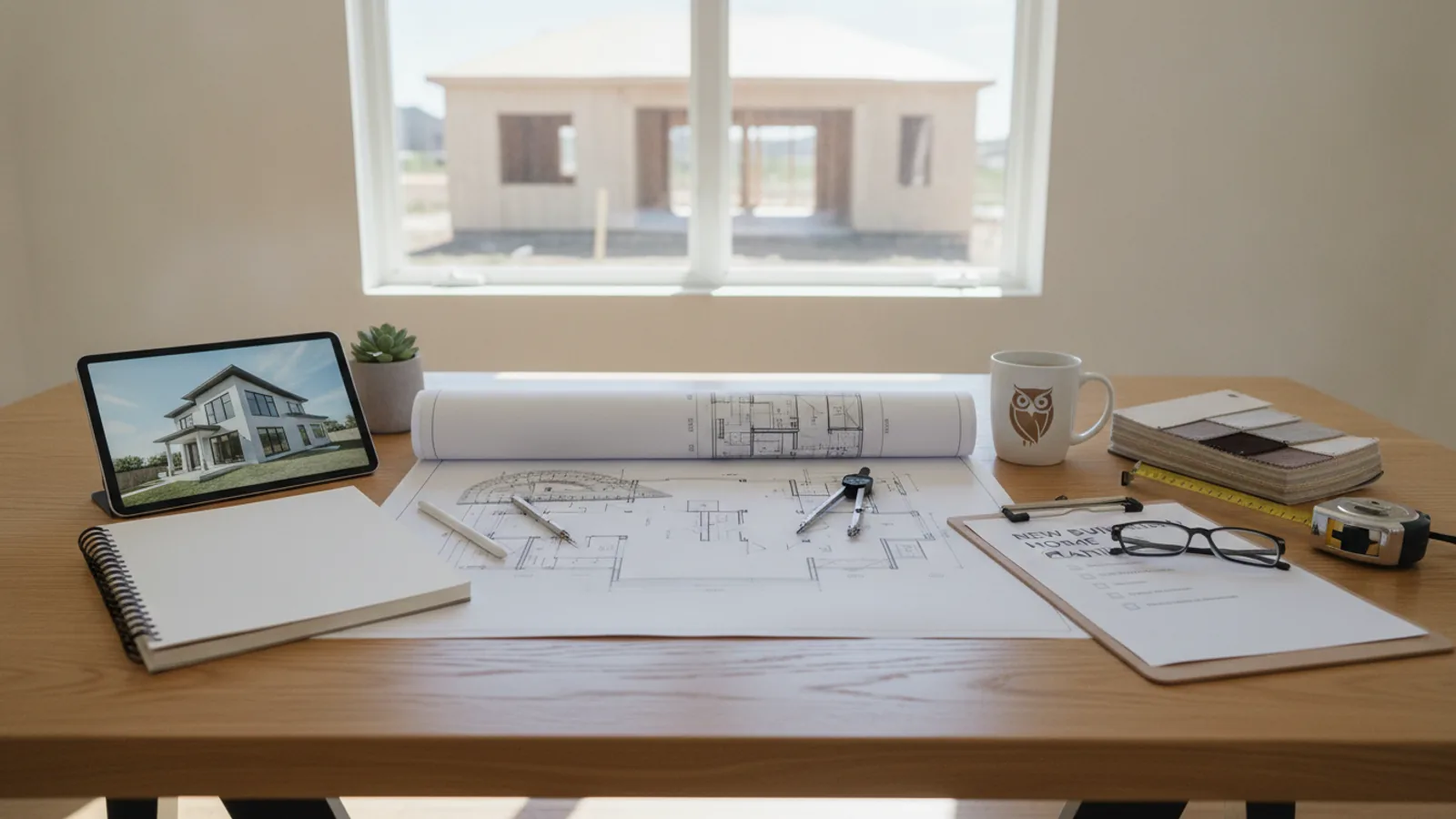
New Build Home Planning Guide
This guide explains how to approach new build home planning guide, including the preparation, practical steps, common mistakes, and final checks that help you finish with confidence.
Before You Start
Step-by-Step Instructions
Quick Reference
Common Problems When You new build home planning guide
Even with careful planning, buying a new build can present challenges. Being aware of these common issues can help you prepare and respond effectively.
Construction Delays
Problem: New build homes are often subject to delays due to various factors like adverse weather, material shortages, labour issues, or planning changes. This can affect your moving schedule and potentially incur extra costs.
Fix: Build flexibility into your moving plans and avoid setting rigid dates with removal companies or schools too early. Ensure your contract includes clauses about reasonable delays and potential compensation if delays are significant and beyond acceptable limits. Maintain regular communication with the developer's sales team for updated schedules.
Unexpected Costs
Problem: Beyond the headline price, buyers can sometimes face unexpected fees or charges, such as increased service charges, ground rent (if leasehold), or costs for 'extras' that were not clearly itemised.
Fix: Demand a comprehensive breakdown of all potential costs from your solicitor and the developer upfront. This includes all legal fees, Stamp Duty, mortgage arrangement fees, and any charges related to the new development, such as service charges for communal areas or estate management fees. Always budget a contingency fund for unforeseen expenses.
Snagging Issues
Problem: It's common for new build homes, despite being brand new, to have minor defects or unfinished items, known as 'snags', ranging from cosmetic flaws to functional problems.
Fix: Be meticulously thorough with your snagging inspection, ideally by hiring a professional snagging company. Document every issue with photographs and detailed descriptions. Ensure all snags are recorded on an agreed list with the developer and follow up to ensure they are rectified to a satisfactory standard within an agreed timeframe.
Communication Breakdown
Problem: Buyers sometimes experience poor or inconsistent communication from the developer's sales team or customer service during the process, leading to frustration and uncertainty.
Fix: Keep all communications in writing (emails are best) whenever possible. If you have phone conversations, send a follow-up email summarising what was discussed and agreed. If you're not getting answers, politely but firmly escalate your concerns through the developer's official channels, referencing your detailed records.
Deposit Protection Concerns
Problem: Concerns about losing your reservation deposit if circumstances change or if the developer withdraws from the sale.
Fix: Carefully read the terms of your reservation agreement with your solicitor. Understand under what conditions your reservation deposit is refundable and what happens if either party pulls out. Most reputable developers will return the deposit if the sale falls through due to factors outside your control, but this should be explicit in the agreement.
Advanced Tips for new build home planning guide
To get the most out of your new build purchase and navigate potential challenges with greater confidence, consider these advanced strategies.
Negotiate Beyond the Price
Many new build buyers focus solely on the property price, but developers often have other incentives they can offer. Don't be afraid to negotiate for 'extras' or upgrades. This could include contributions to your Stamp Duty, legal fees, upgraded kitchen appliances, flooring throughout the house, or landscaping for the garden. These incentives can significantly increase the value and appeal of your new home without directly reducing the purchase price, which developers might be more reluctant to do.
Understand Your Warranty Inside Out
While new builds come with warranties (like NHBC, LABC Warranty), it's crucial to understand their scope. These warranties typically have two parts: an initial defect liability period (often the first two years) where the developer is responsible for fixing minor defects, and a longer structural warranty (usually 10 years) covering major structural issues. Know what each part covers, the claims process, and any exclusions. This knowledge is vital if you need to make a claim in the future.
Future-Proofing Your Investment
When choosing your new build, think about your future needs. Is there potential for an extension or loft conversion if your family grows? Are there provisions for electric vehicle charging points, or is the property ready for smart home technology? Consider the long-term plans for the wider development and surrounding area, as this can impact future amenities, traffic, and property values. A little foresight can ensure your new home remains suitable and valuable for years to come.
Deep Dive into Energy Efficiency
New builds are generally more energy-efficient than older properties, leading to lower utility bills. However, the level of efficiency can vary. Ask for the home's Energy Performance Certificate (EPC) rating and inquire about specific features such as insulation levels, window glazing, heating systems, and renewable energy technologies (e.g., solar panels, air source heat pumps). Understanding these details can help you choose a home with genuinely low running costs.
Engage with the Developing Community
If you're moving into a large new development, consider how the community is forming. Are there residents' associations, local groups, or planned communal facilities? Engaging with potential or existing neighbours can give you insights into the area, developer performance, and help you settle in faster. A strong community can enhance your living experience and contribute to the overall appeal of the development.
New Build Home Planning Guide FAQ
How long does a new build purchase typically take?
From reserving a plot to moving in, the process can take anywhere from 6 months to over 18 months. The exact timeframe depends significantly on whether you're buying 'off-plan' (before construction starts) or a property that's already nearing completion. Factors like weather, material availability, and developer schedules can also impact the timeline.
Do I need a solicitor for a new build?
Yes, absolutely. It is highly recommended to appoint a solicitor who specialises in new build conveyancing. They are familiar with the specific complexities of developer contracts, incentive schemes, and new home warranties, ensuring your interests are protected throughout the legal process.
What is a snagging list?
A snagging list is a detailed record of minor defects, unfinished items, or issues found in a new build property. This inspection usually takes place before legal completion or shortly after you move in. The developer is then contractually obliged to rectify these agreed-upon 'snags'.
Can I customise my new build home?
The level of customisation depends on the developer and how early you reserve the property. If you buy 'off-plan' or early in the build process, you might have choices for kitchen units, bathroom tiles, flooring, and even some internal layouts. Once construction is well underway, options become more limited, usually to cosmetic finishes only.
Are new build homes truly more energy-efficient?
Generally, yes. New build homes are constructed to meet modern building regulations, which typically include higher standards for insulation, double or triple glazing, and efficient heating systems. This often results in a better Energy Performance Certificate (EPC) rating and lower energy bills compared to older properties.
Final Checklist for new build home planning guide
Use this checklist to ensure you've covered all the critical steps in your new build home planning journey.
- [ ] Have a clear, realistic budget established and secured a Mortgage in Principle.
- [ ] Thoroughly researched developers and visited multiple show homes and developments.
- [ ] Appointed an independent solicitor with expertise in new build conveyancing.
- [ ] Carefully read and understood all contract terms, including the reservation agreement and main purchase contract.
- [ ] Confirmed details of the new home warranty (e.g., NHBC) and what it specifically covers.
- [ ] Planned for a professional snagging inspection before legal completion.
- [ ] Budgeted for all additional costs beyond the property price, such as Stamp Duty, legal fees, moving costs, and initial furnishings.
- [ ] Made arrangements for transferring utilities (gas, electricity, water) and registering for council tax.
- [ ] Kept a comprehensive record of all communications, documents, and agreements with the developer and your legal team.
- [ ] Understood the post-completion process, including how to report warranty issues and contact the developer's customer service.