Period Home Before You Renovate
A practical step-by-step guide to period home before you renovate, including preparation, instructions, common issues, tips, and next steps.
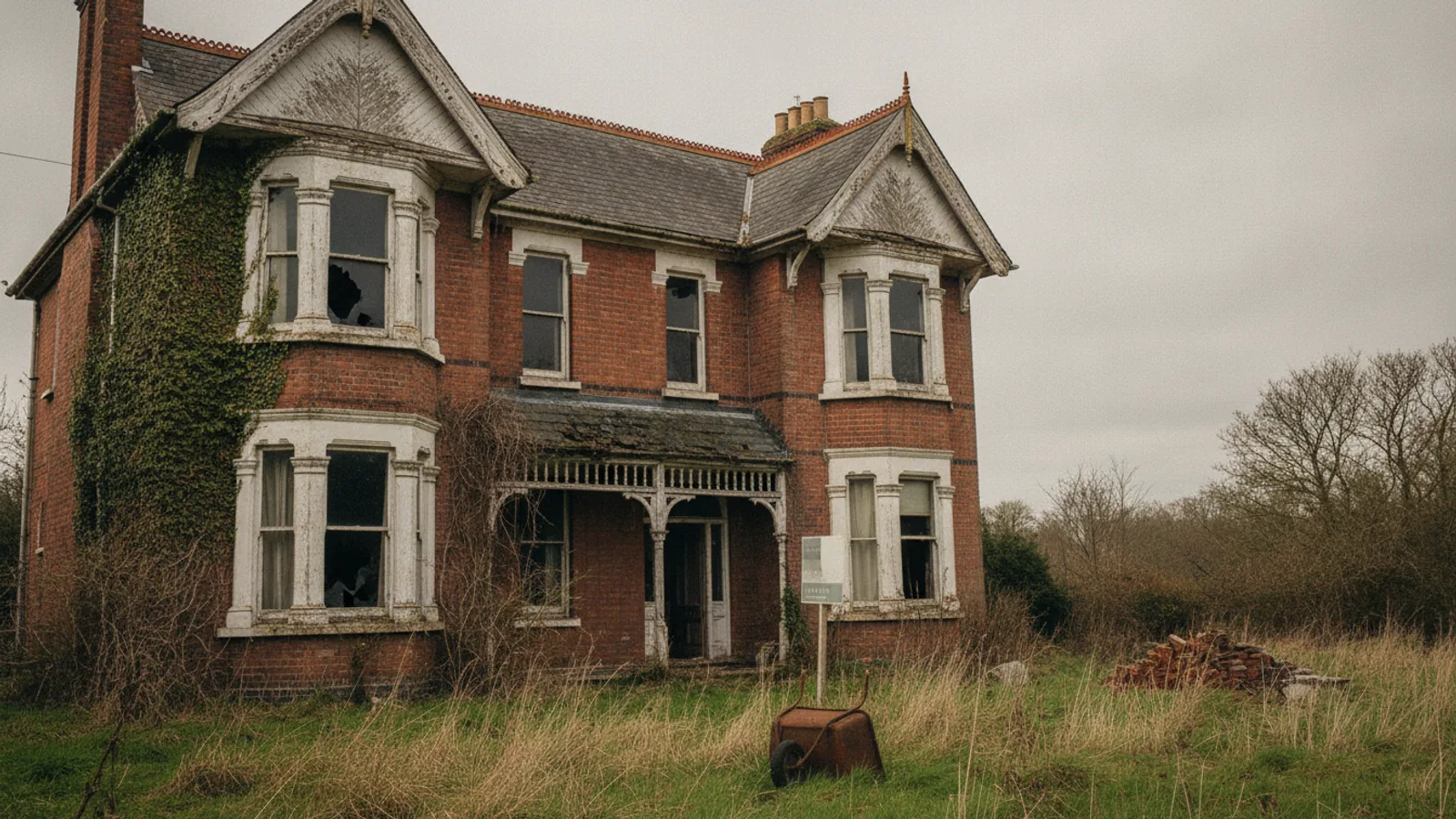
Period Home Before You Renovate
This guide explains how to approach period home before you renovate, including the preparation, practical steps, common mistakes, and final checks that help you finish with confidence.
Before You Start
Step-by-Step Instructions
Quick Reference
Common Problems When You Renovate a Period Home
Renovating a period home comes with its own set of unique challenges. Being aware of these can help you prepare and minimise disruptions:
- Unexpected Discoveries: Old houses are full of surprises. You might uncover rotten timbers, old wells, previously unknown structural alterations, or hidden services. These can add significant time and cost to your project.
- Damp and Water Ingress: Often, what looks like a minor damp patch can be a symptom of a larger issue with drainage, roofing, or internal plumbing. Identifying and fixing the root cause is crucial, which can be complex in older structures.
- Hazardous Materials: Asbestos, lead paint, and lead pipes are common in properties from certain eras. Their safe removal or encapsulation requires specialist contractors and adds to the budget.
- Planning and Conservation Restrictions: Navigating listed building consent and planning permission, especially in conservation areas, can be a lengthy and frustrating process. Delays are common, and applications can be rejected.
- Sourcing Appropriate Materials and Skills: Finding original or sympathetic materials (e.g., specific bricks, roof tiles, lime mortar) can be difficult and expensive. Likewise, finding skilled tradespeople experienced in traditional building methods is key but can be a challenge.
- Budget Overruns: Due to unexpected issues and the specialist nature of the work, renovating period homes often costs more than initially estimated. It's wise to have a healthy contingency fund.
- Incompatible Modern Solutions: Trying to force modern materials or techniques (e.g., cement render on solid walls, impermeable insulation) onto a period property can create new problems, like trapping moisture and causing decay.
Addressing these issues properly requires patience, a flexible budget, and a willingness to seek professional, specialist advice.
Advanced Tips for Period Home Before You Renovate
For those looking to go beyond the basics, these tips can help you achieve an even better outcome for your period renovation:
- Embrace Phased Renovation: Instead of tackling everything at once, consider a phased approach. Prioritise essential repairs (roof, structure, damp) and safety upgrades (electrics, plumbing). Then, move onto cosmetic and aesthetic changes. This allows for better budget control and learning as you go.
- Invest in Energy Efficiency Sensitively: Improving a period home's energy performance is possible without damaging its character. Look into breathable insulation materials, draught-proofing original windows and doors (rather than replacing them), and upgrading heating systems. Avoid unvented cavity wall insulation if your home has solid walls, as this can cause damp. Consult with a specialist in energy efficiency for older homes.
- Consider Long-Term Maintenance Plans: Think about how you will maintain your period home in the long run. Understand the lifespan of materials, create a schedule for routine checks (e.g., gutters, roof, external paintwork), and budget for future repairs. This proactive approach helps preserve your investment.
- Join a Homeowner's Forum or Group: Connecting with other period homeowner's, either online or locally, can provide a wealth of practical advice, supplier recommendations, and shared experiences. Organisations like the Society for the Protection of Ancient Buildings (SPAB) offer valuable resources and guidance.
- Explore Sustainable and Reclaimed Materials: Where new materials are needed, investigate sustainable options or reclaimed materials that match your home's era. Reclaimed bricks, tiles, and timber not only reduce environmental impact but also help maintain an authentic look.
- Document Hidden Details: Before closing up walls or floors, take extra photographs of any hidden pipework, wiring, or structural elements. This photographic record can be invaluable for future repairs or maintenance, helping you locate services without destructive exploration.
These advanced tips promote a holistic and thoughtful approach, ensuring your period home renovation is both successful and sustainable for years to come.
Period Home Before You Renovate FAQ
Why is it important to research my period home's history?
Researching your home's history helps you understand its original construction, architectural style, and any previous alterations. This knowledge is crucial for making renovation decisions that are sympathetic to the property's character and for identifying features worth preserving or restoring. It also helps in complying with any conservation restrictions.
What are the main hazards to look out for in old homes?
Key hazards in older homes include asbestos (in various building materials), lead paint (on surfaces, especially woodwork), lead pipes (for water supply), and outdated electrical wiring. You should also look for significant damp issues (rising, penetrating, or condensation), timber decay (dry rot, wet rot, woodworm), and structural movement. Always consult specialists for testing and safe removal of hazardous materials.
Do I always need planning permission for renovations on a period home?
Not always, but often. Many internal changes to unlisted period homes do not require planning permission. However, if your home is a listed building, or located within a conservation area, almost any external alteration and many internal changes will require listed building consent or planning permission. Always check with your local planning authority and a conservation officer before starting any work to avoid legal issues.
How can I find specialist tradespeople for period properties?
Finding tradespeople with experience in period properties is vital. You can ask for recommendations from your surveyor, architect, or local conservation officer. Look for builders and craftspeople who are members of professional bodies or who specialise in heritage work. Websites for conservation trusts or specialist building materials suppliers often have directories of skilled professionals. Always check references and view examples of their previous work.
What's the best way to deal with damp in an old house?
Dealing with damp in a period home requires understanding its cause. Traditional buildings are often designed to breathe, so applying modern, impermeable solutions can trap moisture and worsen the problem. Solutions often involve improving ventilation, repairing external defects (e.g., gutters, roof, pointing), managing ground levels, or using breathable lime-based renders and plasters. Avoid chemical damp-proof courses unless recommended by a specialist after thorough investigation.
Final Checklist for Period Home Before You Renovate
Use this checklist to ensure you've covered all the essential steps before embarking on your renovation journey:
- Research into your home's history and architectural style is complete.
- A thorough visual inspection (internal and external) has been conducted and documented.
- You understand the original construction materials and methods of your home.
- All suspected common period problems and potential hazards (damp, asbestos, lead, timber decay) have been identified.
- Local planning authority and conservation area rules have been checked and understood.
- Professional surveys (e.g., RICS Level 3 Building Survey) have been obtained and reviewed.
- Specialist advice (e.g., structural engineer, architect, damp specialist) has been sought where necessary.
- Your renovation goals are clearly defined and prioritised, balancing preservation with modern needs.
- A realistic budget, including a contingency fund, has been established.
- Initial plans for addressing essential repairs and safety issues are in place.
- You have a system for documenting all research, reports, consents, and work carried out.
By diligently working through this checklist, you'll be well-prepared to renovate your period home sympathetically, safely, and successfully.