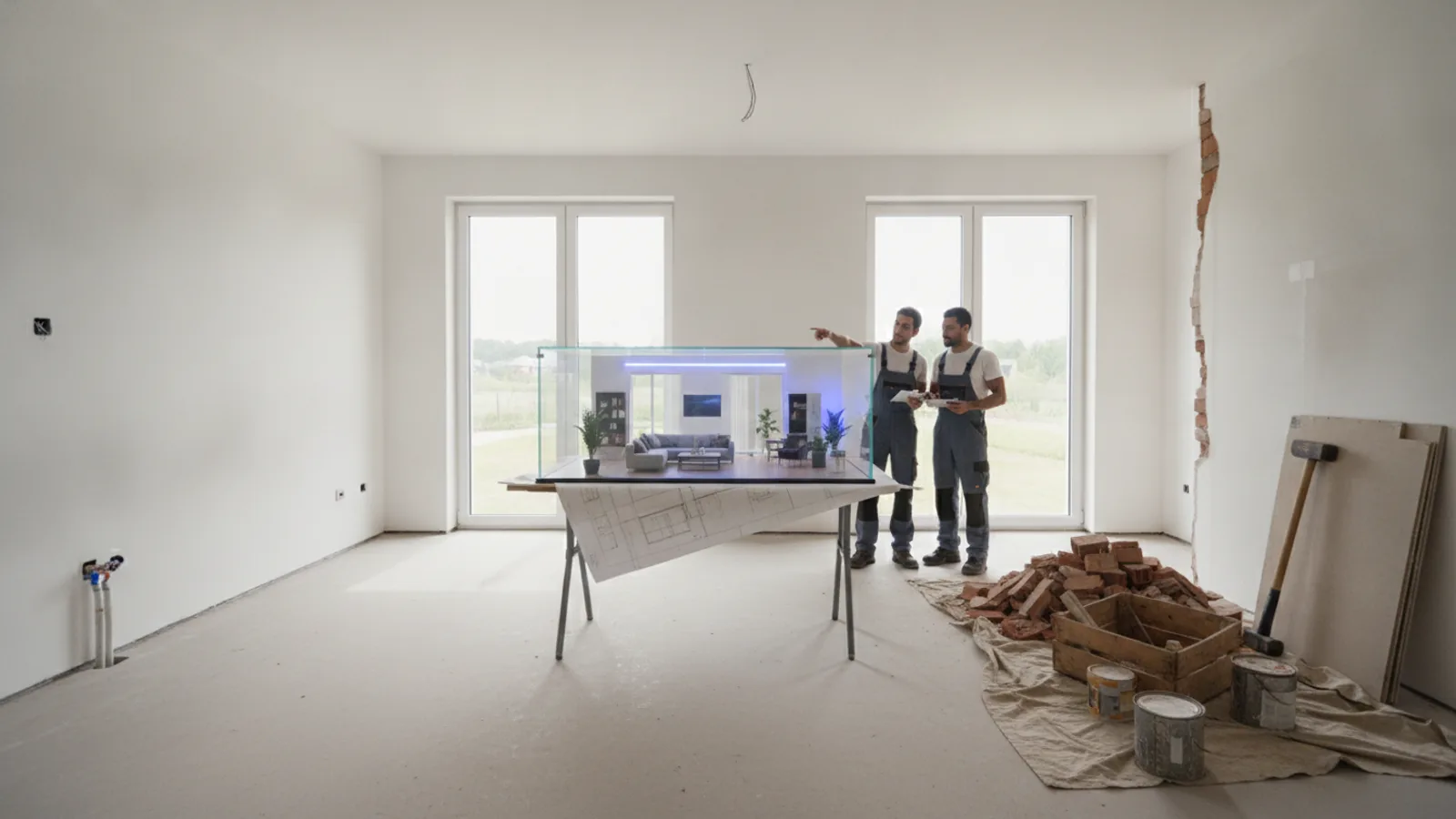
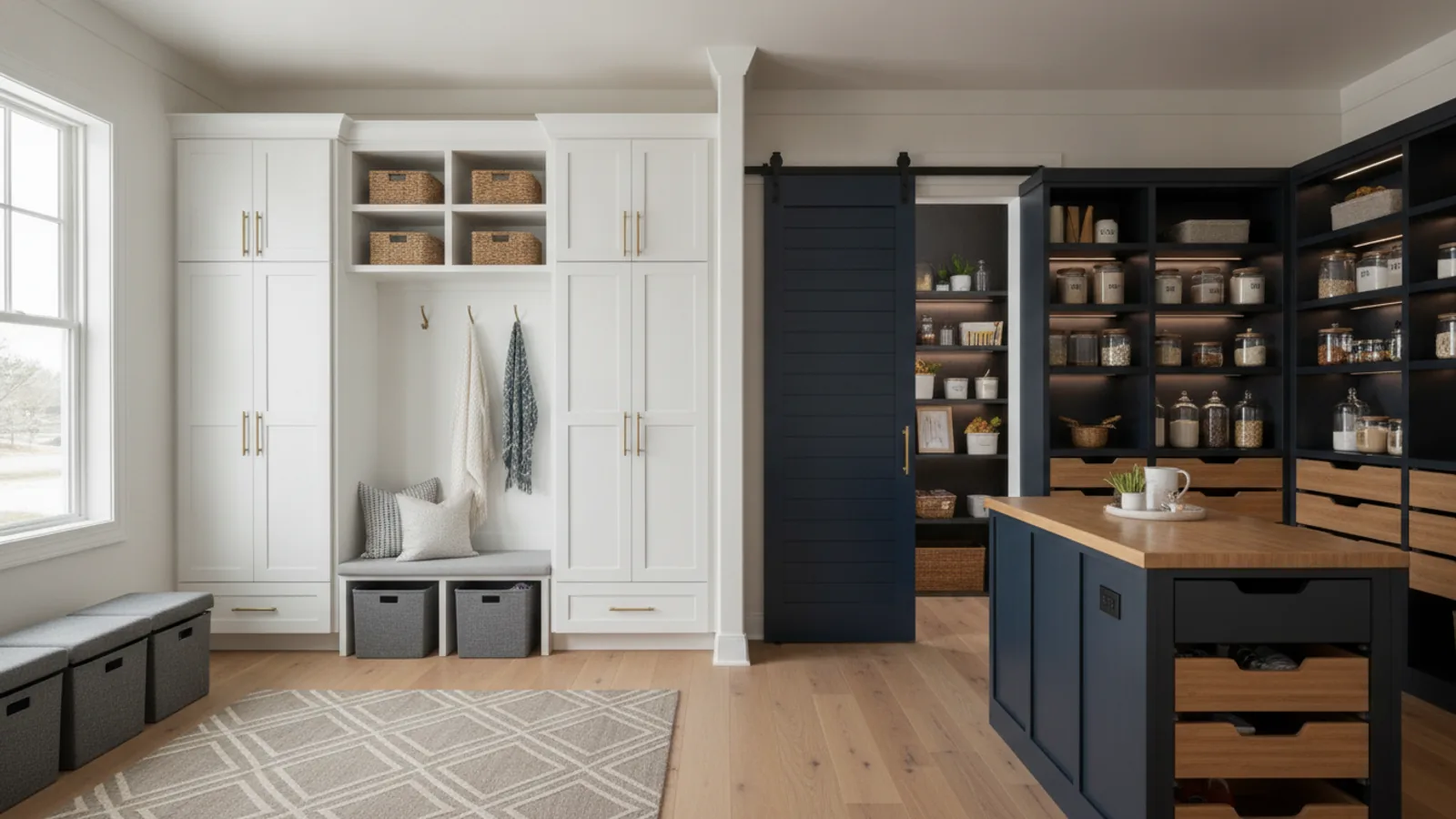
Period Home Storage Ideas
A practical step-by-step guide to period home storage ideas, including preparation, instructions, common issues, tips, and next steps.
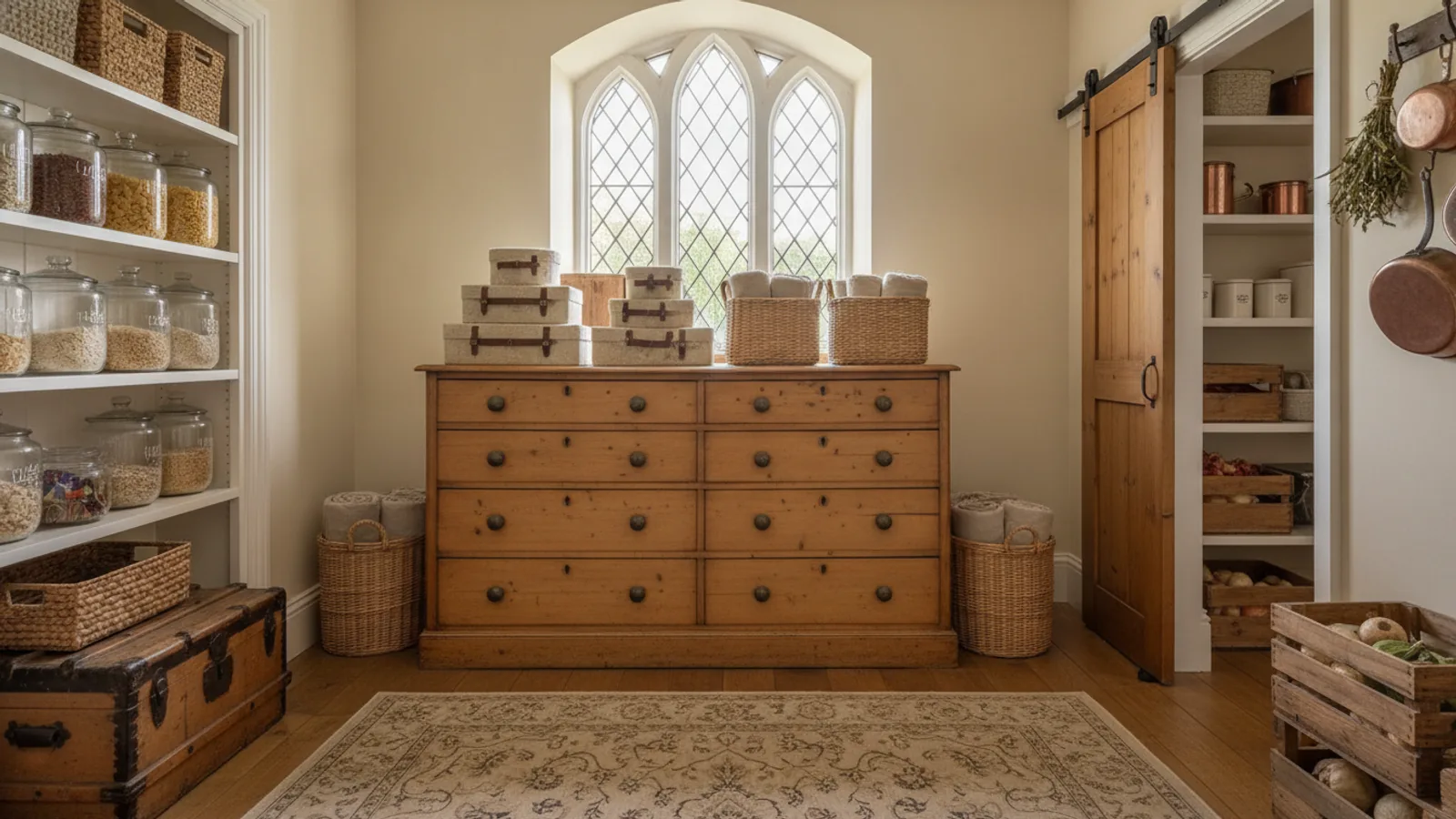
Period Home Storage Ideas
This guide explains how to approach period home storage ideas, including the preparation, practical steps, common mistakes, and final checks that help you finish with confidence.
Before You Start
Step-by-Step Instructions
Quick Reference
Common Problems When You Plan Period Home Storage Ideas
Even with careful planning, several issues can arise when integrating storage into an older property. Being aware of these common problems can help you avoid them or address them quickly.
Damaging Original Features: This is perhaps the biggest concern. Aggressive installation or poorly thought-out designs can permanently damage plasterwork, skirting boards, or other irreplaceable period details. Before any drilling or cutting, double-check measurements and ensure you understand what's behind the wall. Always choose reversible solutions where possible, especially if you're unsure about making permanent changes. If in doubt, consult a professional who specialises in period property restoration.
Mismatching Styles: Modern, sleek storage units can look out of place in a period home. Using the wrong materials, colours, or hardware can detract from the property's character. To avoid this, research the architectural style of your home's era. Look at photos of similar properties or visit local heritage sites for inspiration. Opt for natural materials like wood, and consider painting new joinery in colours that complement the existing décor rather than stark whites or overly bright shades.
Over-filling New Storage: The excitement of new storage can sometimes lead to the temptation to fill it immediately, often with items that should have been decluttered. This defeats the purpose of creating more organised space. Remember that new storage should be part of an overall strategy to reduce clutter, not just move it. Continuously review what you own and only keep what is truly needed, used, or loved.
Structural Concerns: Older homes can have different structural compositions than modern builds. Walls might be lathe and plaster, or brick, and may not always be perfectly plumb or level. Installing heavy shelving or built-in units without understanding the wall structure can lead to instability or damage. Always locate wall studs or solid fixing points. For significant structural changes, such as cutting into walls for bespoke units or adding heavy suspended storage, it is crucial to consult a qualified builder or structural engineer to ensure safety and compliance.
Damp and Ventilation Issues: Basements, cellars, and sometimes even ground-floor cupboards in older homes can be prone to damp. Storing items in poorly ventilated or damp environments can lead to mould, mildew, and damage. Before using these areas for storage, assess their condition. Install dehumidifiers, improve ventilation, and use moisture-proof containers. Avoid storing delicate fabrics, paper, or electronics in areas prone to damp.
Advanced Tips for Period Home Storage Ideas
Once you've mastered the basics, consider these advanced strategies to elevate your period home storage solutions, adding both functionality and aesthetic appeal.
Hidden and Concealed Storage: Take advantage of false walls or disguised panels. For example, a decorative wall panel could hinge open to reveal a shallow cupboard for valuables or documents. Baseboards could be designed to pull out, offering discreet storage for small, flat items. In a library, a section of shelving could pivot or slide to reveal a secret room or deep storage area. These elements add a touch of period mystery and surprise.
Bespoke Joinery and Cabinetry: For truly seamless integration, commission a skilled joiner to create custom pieces. This allows you to utilise every millimetre of an awkward space, match existing mouldings and finishes perfectly, and design storage exactly to your needs. While a larger investment, bespoke joinery often becomes an architectural feature that enhances the property's value and character significantly. Think about perfectly fitted wardrobes in quirky attic rooms or intricate bookcases that wrap around a bay window.
Integrated Lighting and Power: When designing built-in units, consider incorporating subtle lighting. LED strips tucked under shelves can illuminate displays, highlight items, or create ambient mood lighting. For practicality, add discreet power outlets inside cupboards or drawers, particularly for charging devices in bedrooms or operating small appliances in kitchen larders. This keeps wires hidden and maintains a tidy appearance, especially important in rooms with original features.
Using Period Pieces for Storage: Beyond modern solutions, actively seek out genuine antique furniture that inherently offers storage. A grand armoire can serve as a wardrobe, a vintage chest of drawers provides ample clothing storage, and an old blanket box makes an ideal coffee table with hidden space. These pieces bring authenticity and character that modern reproductions often struggle to replicate. Look for quality craftsmanship and consider having pieces restored if needed, ensuring they are stable and suitable for your home.
Digital Decluttering for Physical Space: While not physical storage, tackling digital clutter can indirectly free up physical space. Organise digital photos, documents, and media. This might reduce the need for physical photo albums, filing cabinets, or stacks of CDs/DVDs, allowing you to use that space for other things. Consider scanning important documents to reduce paper storage, but always keep original hard copies of essential legal or sentimental papers in a secure, fire-proof location.
Period Home Storage Ideas FAQ
Final Checklist for Period Home Storage Ideas
By following this guide and checklist, you can successfully integrate practical and beautiful storage into your period home, enhancing its functionality while preserving its unique historical charm. Enjoy your more organised and harmonious living space!
FAQ
What should I check before I start?
Check the goal, the key prerequisite, and any current instructions that could change the safest next step for period home storage ideas.
How can I tell whether the result is working?
Use the practical checks in the guide, pause if a required step is unclear, and verify the finished result against the intended outcome.